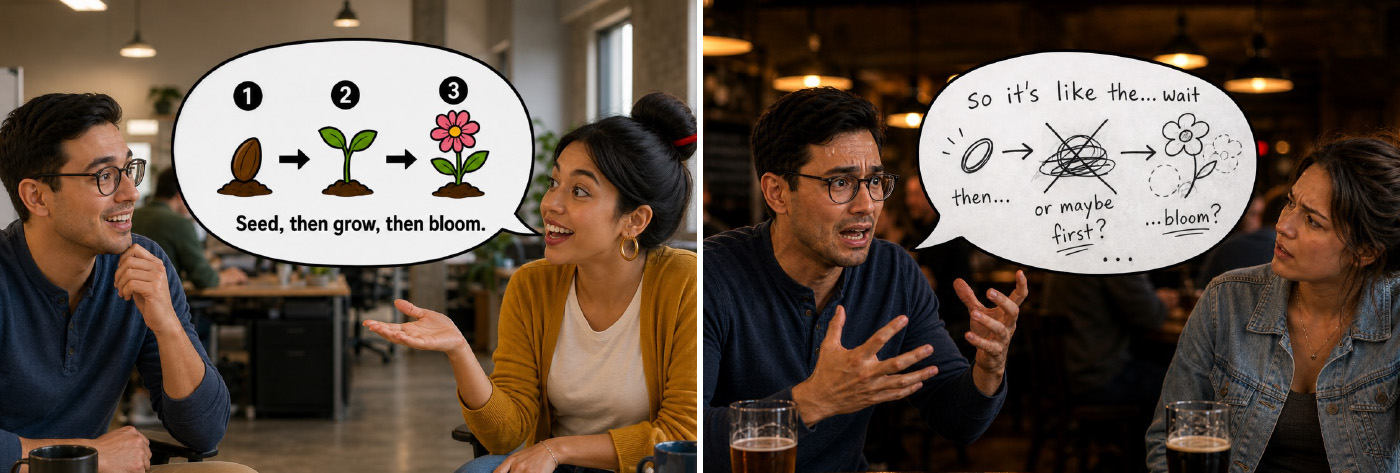
Told conclusions are rented. When someone tells you something, even something true and beautifully said, you're renting it. The moment you stop paying attention, the rental expires. It goes fuzzy or gets forgotten. You can read every label in the museum, ride everything in the park, and three weeks later remember almost nothing. (Except hopefully that you enjoyed it.)
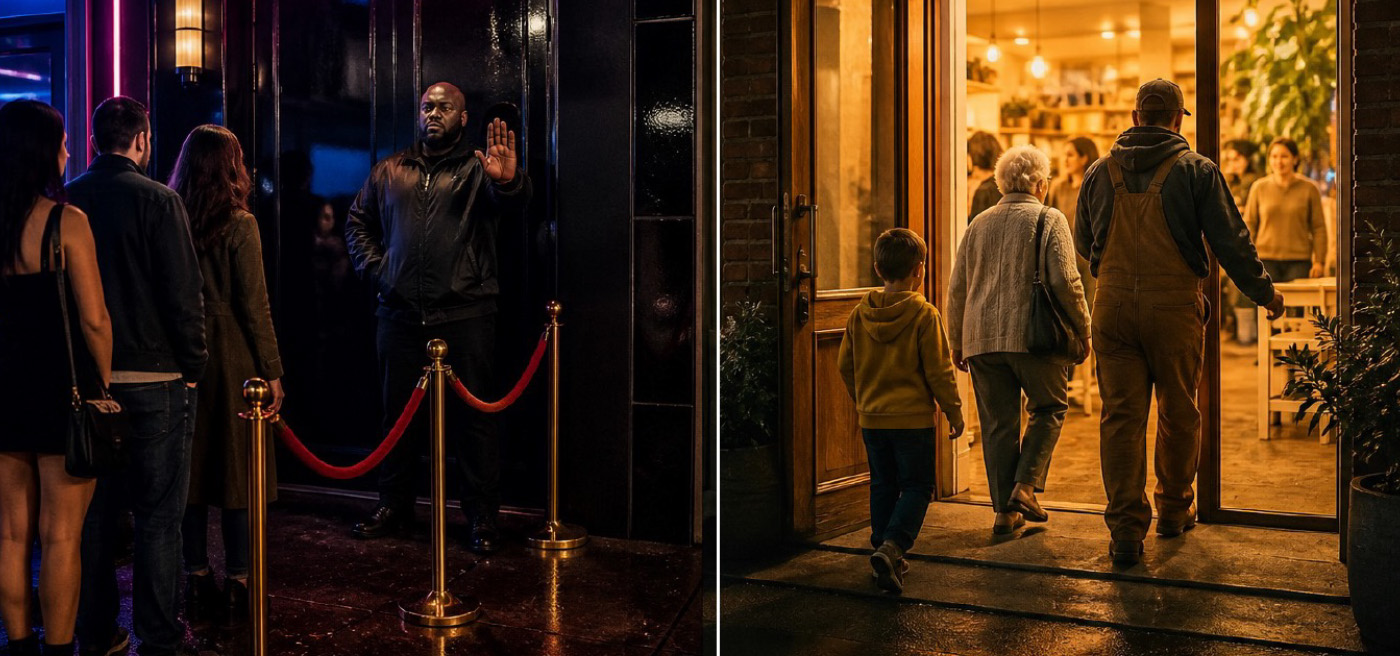
The mind is more of a gate than a sponge. Most of what we're told gets blocked or washed away. It has to. A life can't absorb every conclusion aimed at it. But that gate is why the field keeps doing excellent work that doesn't change anyone. We arrive with something weighty and important and expect them to take it in, in a form that doesn't fit the life they're living. So it feels like an imposition, and they refuse it. Or we spend a fortune on a hit that does the job for a night. Flashy. Fun. Then it's gone.
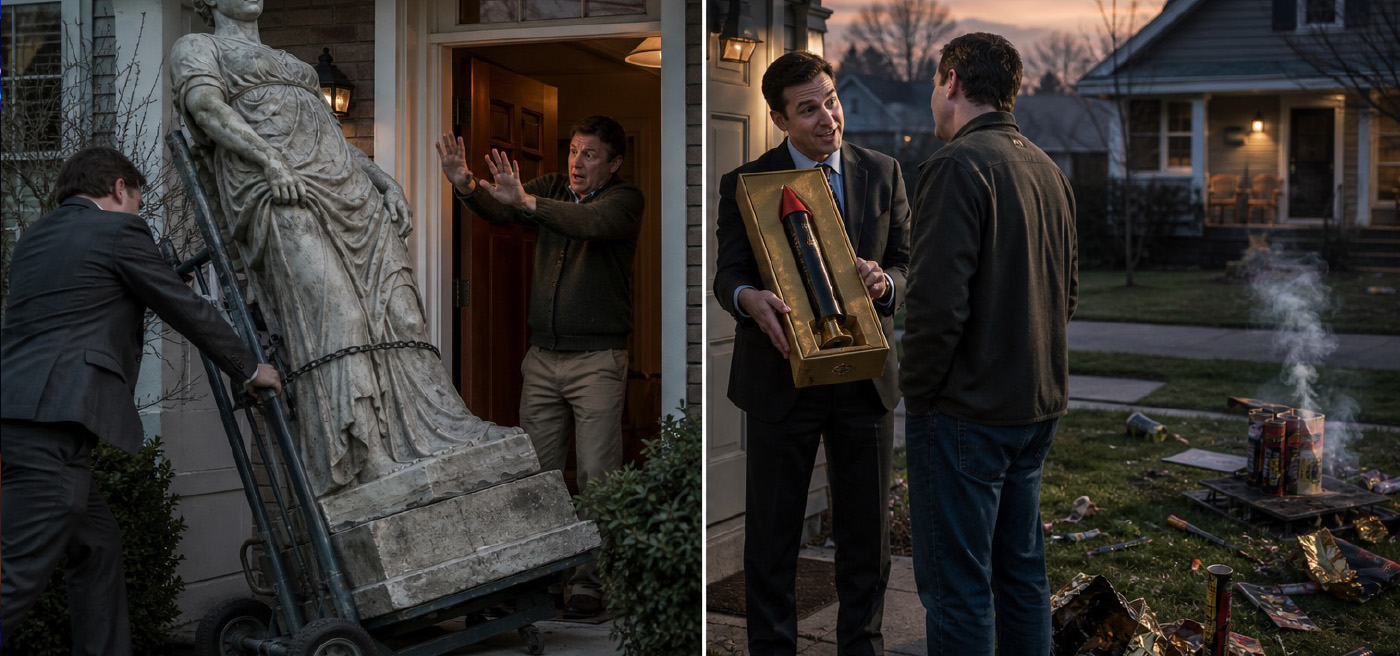
Walk a museum corridor where every case has a plaque that finishes the thought for you. You may leave informed, but three weeks later the labels have returned to being someone else's sentences. Compare that with the quiet beat where a guest has to work out what they're looking at before the apparatus explains it. Same building, but different ownership.
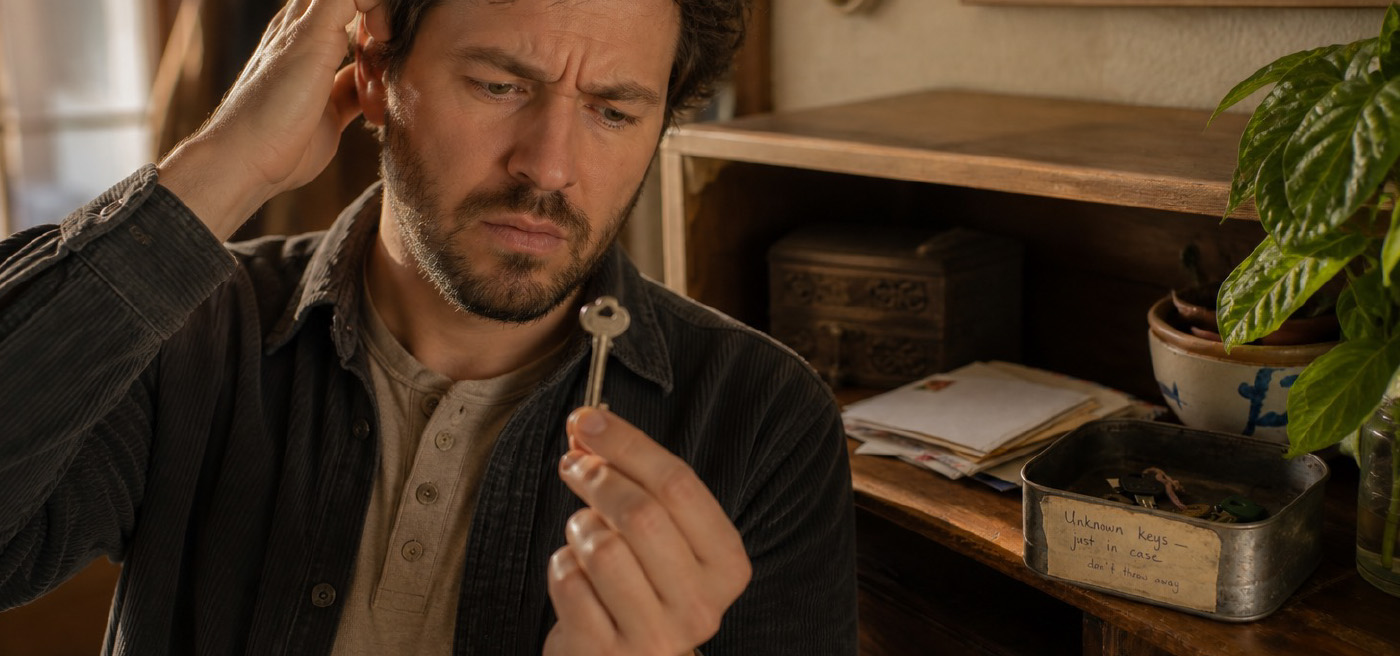
People may remember how a closed world made them feel, but without the context around it, they can't take that feeling into how they live, or find it again. So they come back looking for it. The feelings were real. They just only counted in there. The apparatus walked them through. Very little of themselves went in, and very little came out. It was fun while it lasted.
Coming back to a place that holds you is healthy. Coming back because the feeling never traveled is a different pattern. The visit was a closed world. Guided, complete, and empty of them.
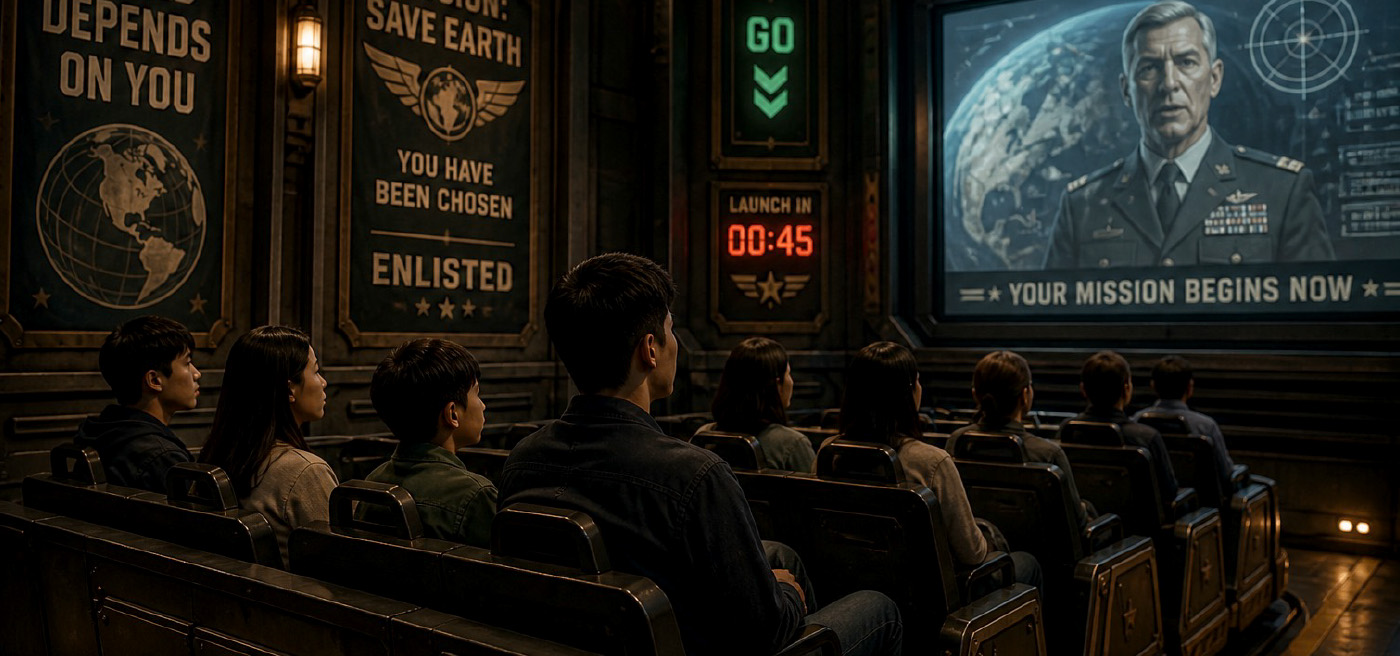
We've all built versions of that closed world. Over-claiming a moment the guest didn't earn. In our buildings it may be the ride that enlists you to save the day while you actually sit still and watch. The pleasure hit is real. There's genuine science behind engineering it. But it's the science of how a visit gets remembered. That's a kind of lasting, and it can fill its role. But without more context, it's still gone from a life. And a guest who meets enough of those engineered memory hits starts to believe this is all there is, or at least all they'll ever get...
Escape is a real need, and nobody comes to us for a lesson. Collapsing the experience to hand them the meaning is the same move as the sit-still hero. The takeaway is something we deliver either way, and the gate stays closed because the guest never had to find it.
What belongs to the rest of their life is something they discover. We can't make that. The seed is already with them. Something they were already carrying. Our work is to prepare conditions where that seed can meet something real, and it becomes more real because of the meeting.
Told information still has a place. Think fire exits, orientation, facts that must be correct... Renting is efficient and important for some kinds of information, and it's also the wrong tool for change. You won't need to remember the fire exits in the long term, and facts will fade in about three weeks without use. What a person discovers integrates into their daily life and stays.
There's a Harvard study that makes this uncomfortable. Students in polished lectures felt they learned more, but measurably learned less, than students made to work for the material. The feeling of an experience and the effect of it can run in opposite directions. Satisfaction surveys can't tell them apart. A polished presentation can feel like learning and produce less ownership than the messier mode of finding. The finding requires participation. The presentation requires physical presence. The presentation feels much more in our control, and it is, to a large degree. Its impact, however, is less sticky and invites more resistance.
The design question is no longer how we make sure they get the message. It's asking what they will be looking for on their own that would be meaningful, and determining what conditions make that finding possible without turning the hour into homework.
I still catch myself reaching for the polished version when a project requires risk and trust. The cleaner delivery feels like care, but it often closes the gate.
A guest returning because they can practice here is a haven. Returning because the feeling is confined here is a different product... even when the season pass looks the same on paper.
Think back to the last project you shipped. Where did the apparatus do the acting for them, and where did something of theirs have to enter the room for the visit to work?